The Beehive’s Story in Machias, Maine
While our network of pollinators has always been spread out around the US and around the world, the Beehive’s home base from 2001-2017 was in Down East Maine. We owned two historic buildings in downtown Machias, where we hosted swarms of volunteers, visitors, and artists-in-residence.
Machias is a small town located way up the Maine coast, about an hour from the border with New Brunswick, Canada. We offered housing and work space for bees in a historic home in the middle of town (the Clark Perry House, built in 1868), and we welcomed visitors, volunteers, and artists-in-residence – throughout the year, but especially in the summer. We maintained the Machias Valley Grange Hall as a community cultural center (learn more about the history of the Grange below!), donated poster designs to local events, and hosted the annual Blackfly Ball during the Machias Wild Blueberry Festival weekend in mid-August from 2006-2017.
For a few years we held a vision of creating an expanded campus of buildings and projects in Machias, in addition to the Clark Perry House and the Grange Hall, that included a print shop with shared studios and meeting spaces, and a community kitchen and garden project, inspired by the original agricultural roots of the Grange – while these projects ultimately didn’t happen, they were inspiring to envision. The video above shares the story of the Beehive as well as this broader vision, and we humbly leave it here for the archives – as an homage to Machias, and in gratitude to all the volunteers and collaborators who poured energy into and nurtured those seeds, even though they didn’t all sprout as we hoped.
After many years of effort and much trial and error, attempting to support both our local work in Maine and our widespread network of pollinators, our hive in Machias ultimately suffered colony collapse. Many former Machias-based bees moved their lives and work to other places, we sold the Clark Perry House, and the Beehive Design Collective no longer exists as a 501c3 non-profit.
We still exist as a decentralized network of bees who are dedicated to sharing the Beehive’s graphics and cross-pollinating the grassroots!
– – – – – – – – – – – – – – –
MACHIAS VALLEY GRANGE HALL
1 Elm St, Machias, Maine 04654
Across from Bad Little Falls Park
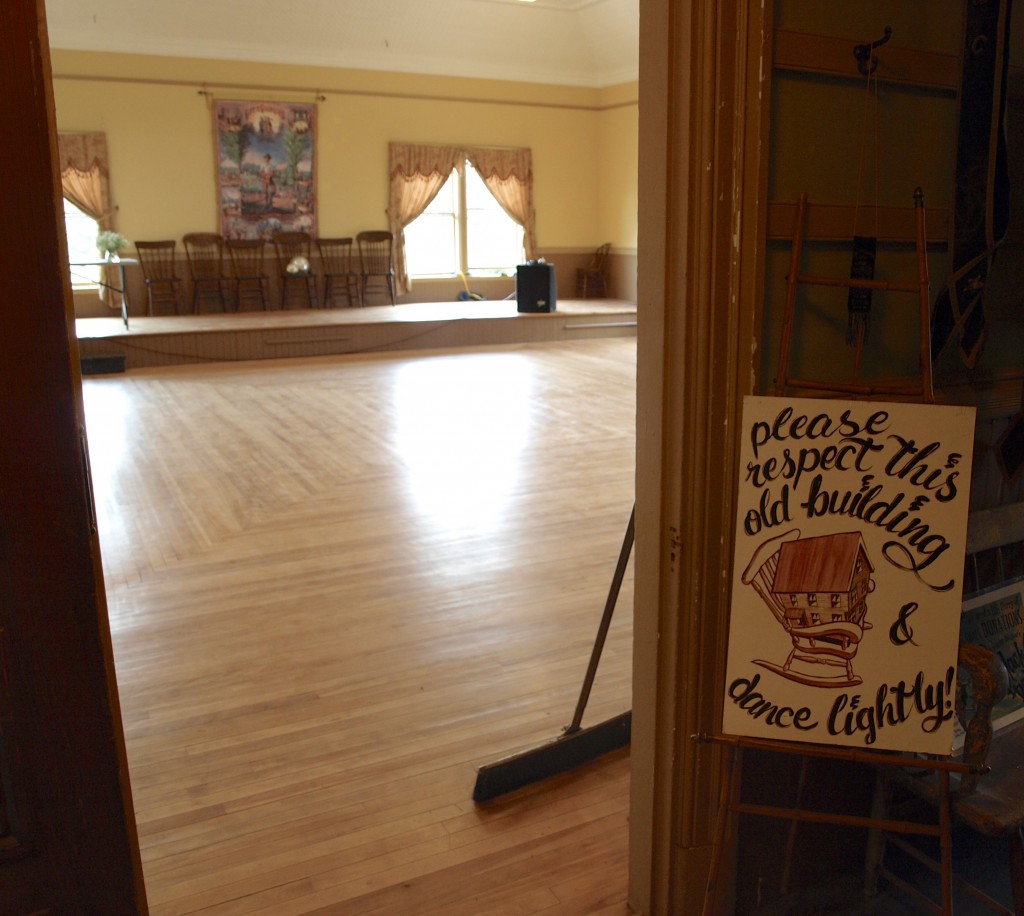
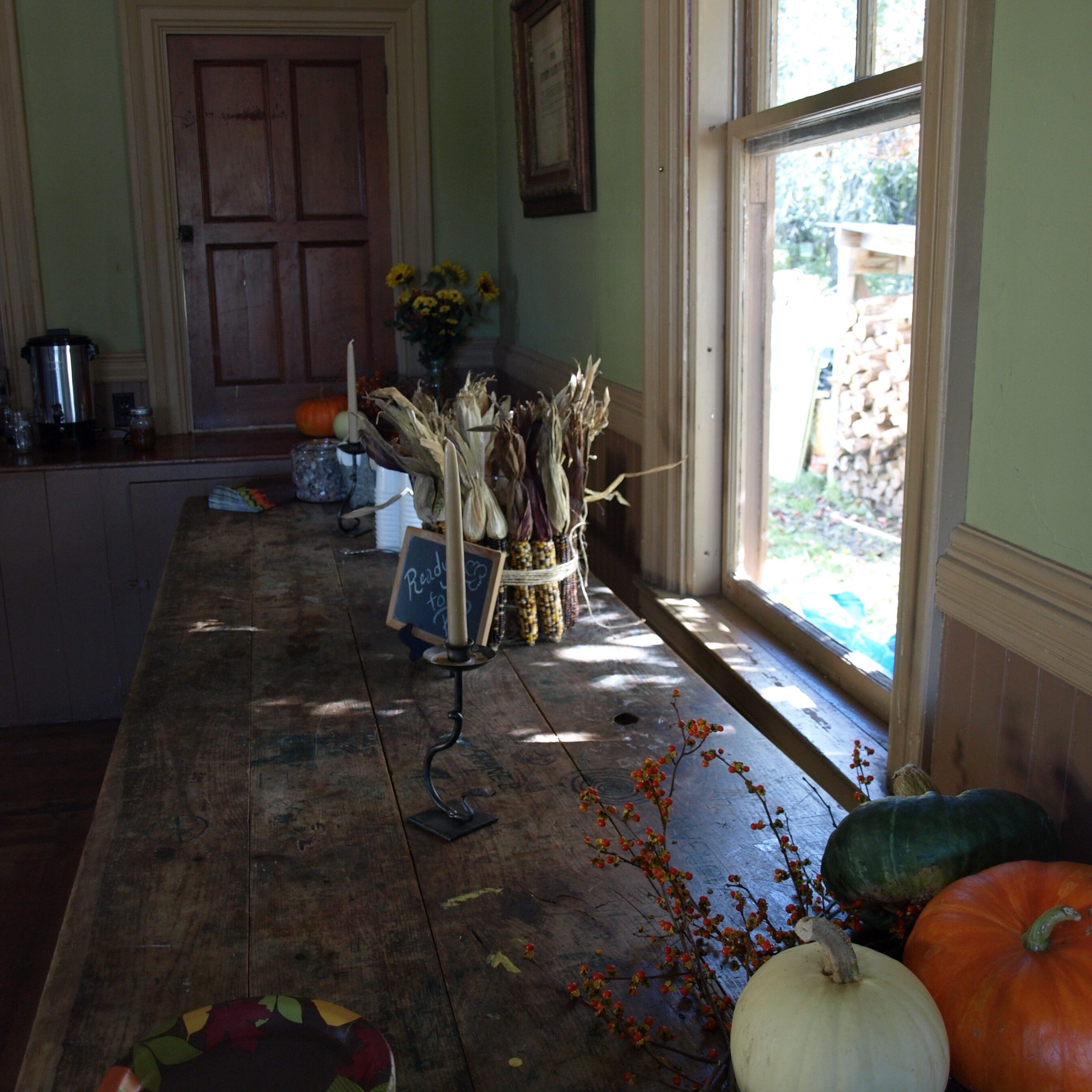
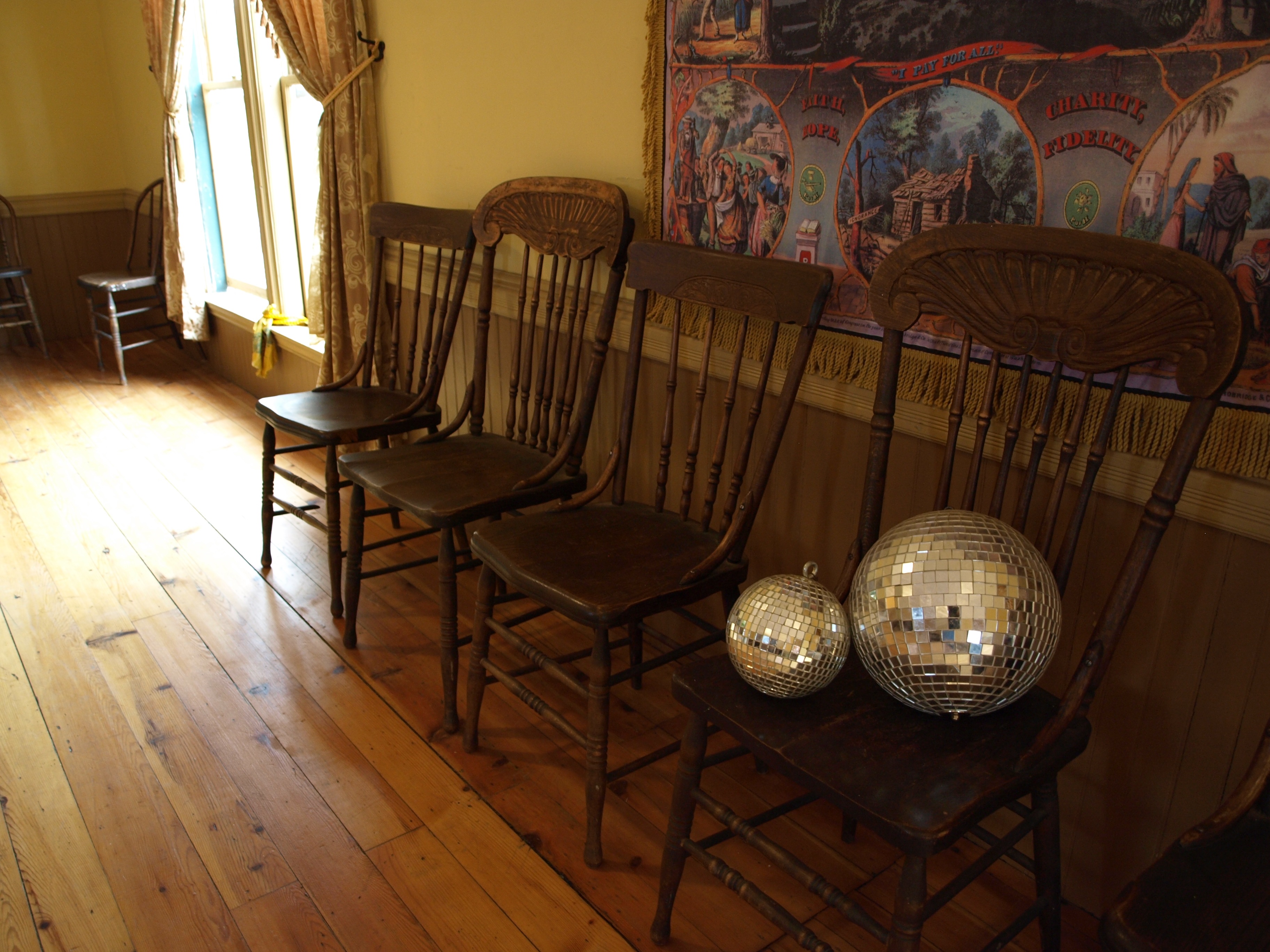
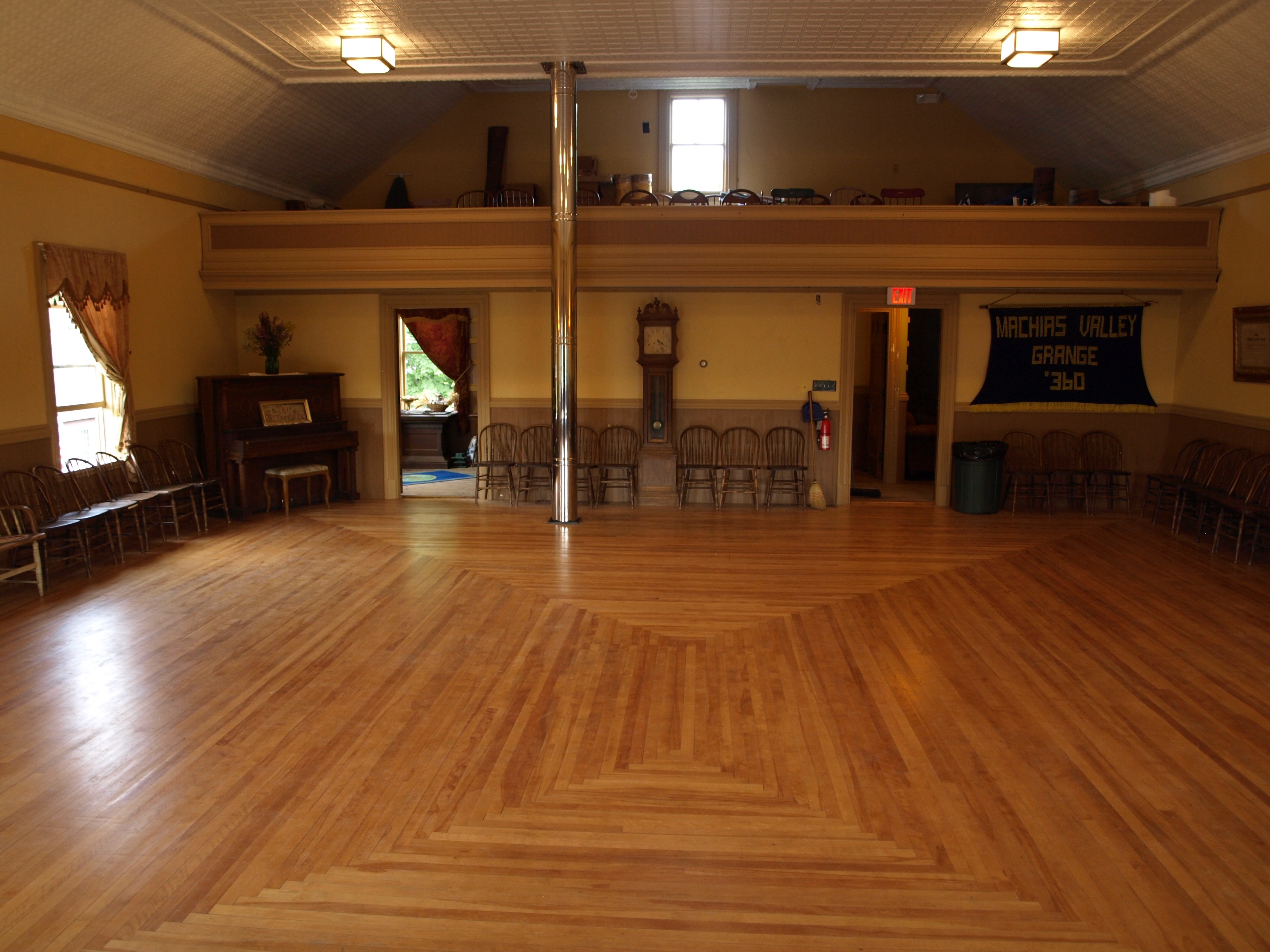
The Beehive Collective maintained the historic Grange Hall in Machias as a non-profit cultural center from 2005-2017, open seasonally to the community as a meeting hall and gathering space for a variety of free public events and private parties.
We are excited to share that there is new energy in town working on reopening the Grange Hall. We are supportive of these efforts and hope the beautiful dance floor upstairs will be able to keep shining. You can learn a little more about the history of the Grange below.


HISTORY
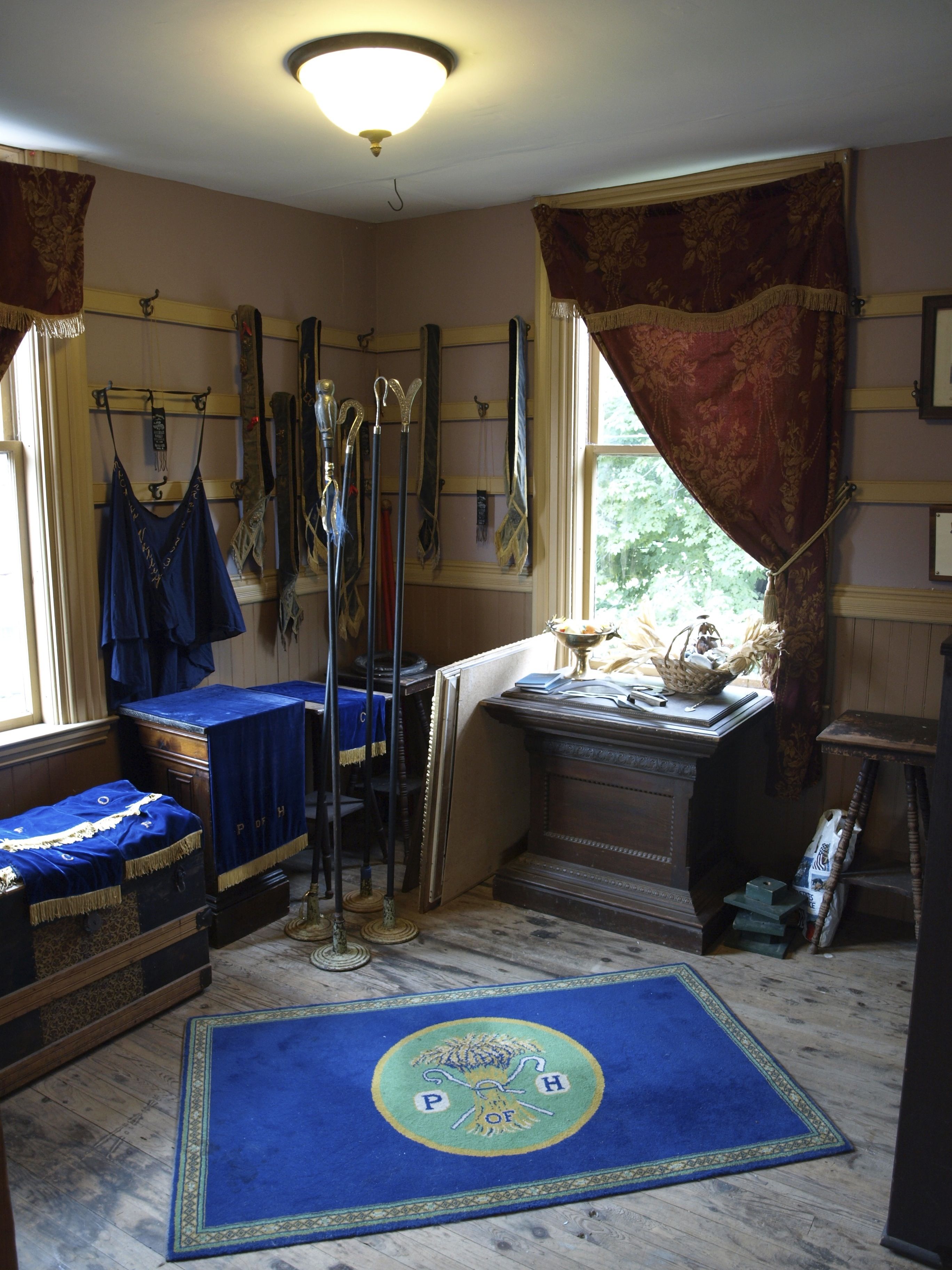
The Machias Valley Grange Hall was built between 1905 and 1907 by the local chapter of the National Grange (Patrons of Husbandry). The local chapter formed in 1903 and officially registered with the National Grange in 1905 as Grange #360. Founded in 1867, the National Grange is “a non-profit, non-partisan, fraternal organization that advocates for rural America and agriculture. With a strong history in grassroots activism, family values, and community service, the Grange is part of more than 2,100 hometowns across the United States.”
The Machias Grange Hall was a thriving community center and a meeting place for the local Grange for many decades, up into the early 1990s. As membership in the local Grange dwindled, and maintaining the building became more challenging, the building went dormant for a little while and was up for sale.

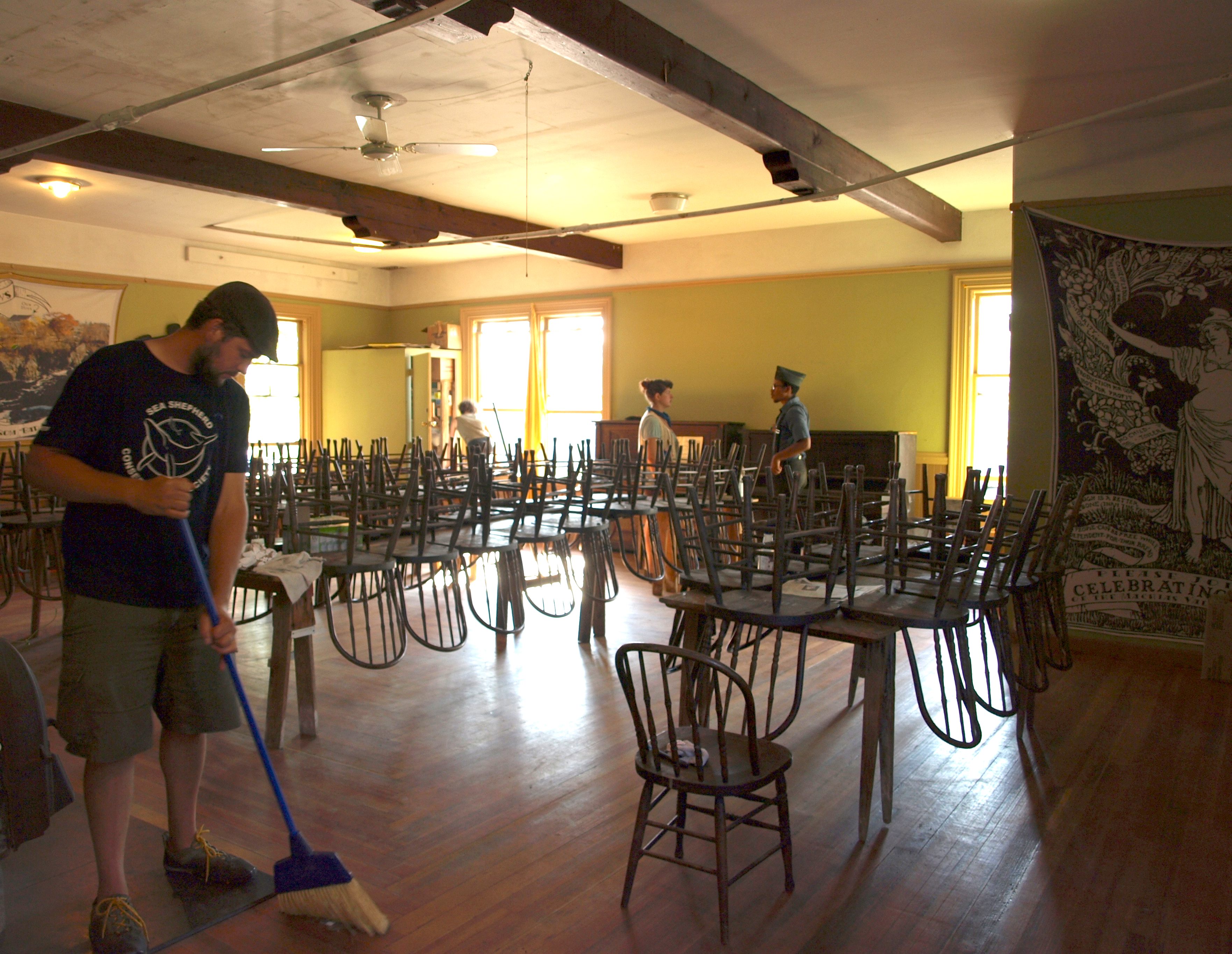
In 2001, the newly formed Beehive Design Collective bought the Grange Hall and started to get to know the local Grangers and the history of the building, sparking a collaborative restoration project. The building was reopened to the community in 2005 after five years of dedication, love, and elbow grease from the Beehive, the local Grangers, the Machias community, and swarms of volunteers from near and far.
In 2007, the Maine Historical Society recognized this volunteer-led restoration effort with the State Historic Preservation Award. The Machias Valley Grange Hall was also placed on the National Registry of Historic Places in 2007, and a good overview of its history is documented there. See the Maine State Grange site for more history about Granges in Maine.